
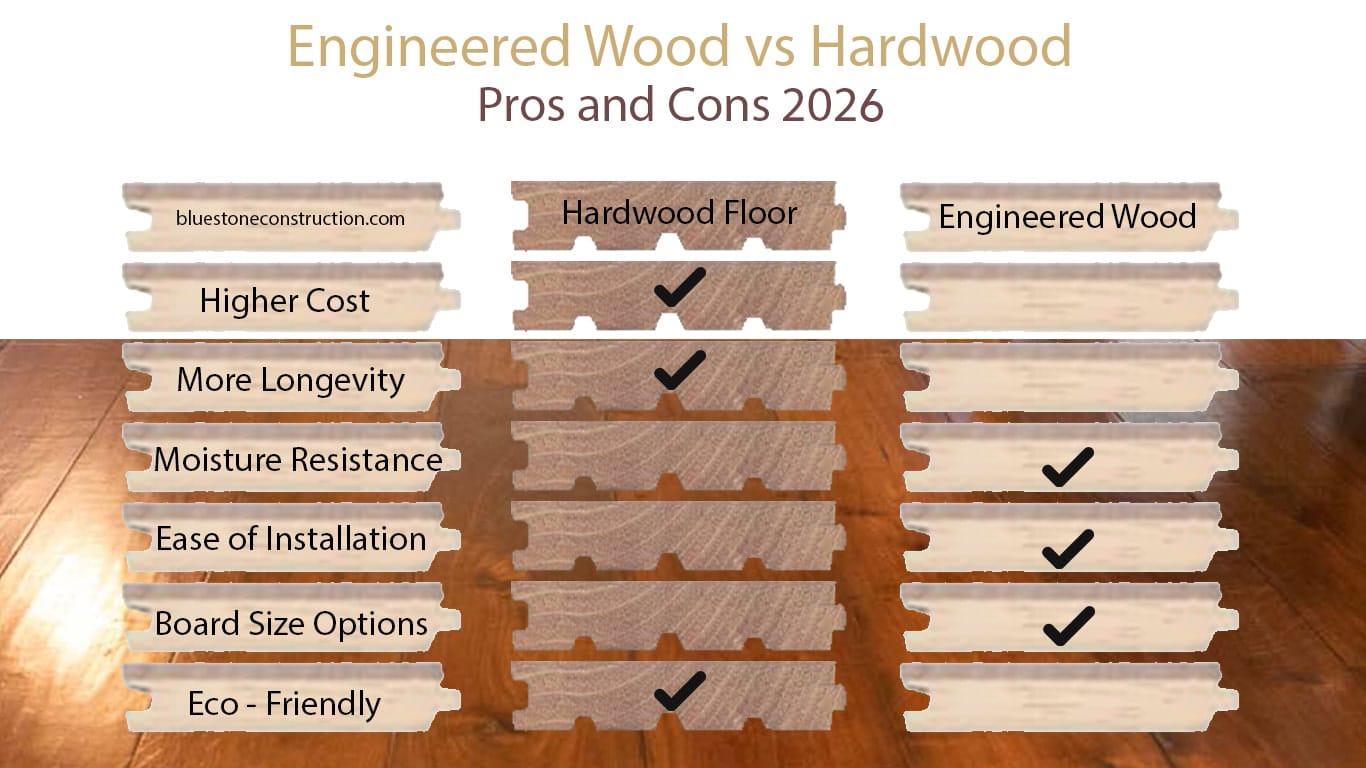
Real wood flooring remains prized for its natural beauty, longevity, and the ability to be refinished multiple times. Engineered wood, by contrast, offers enhanced dimensional stability and easier installation—particularly over radiant heat or concrete subfloors.
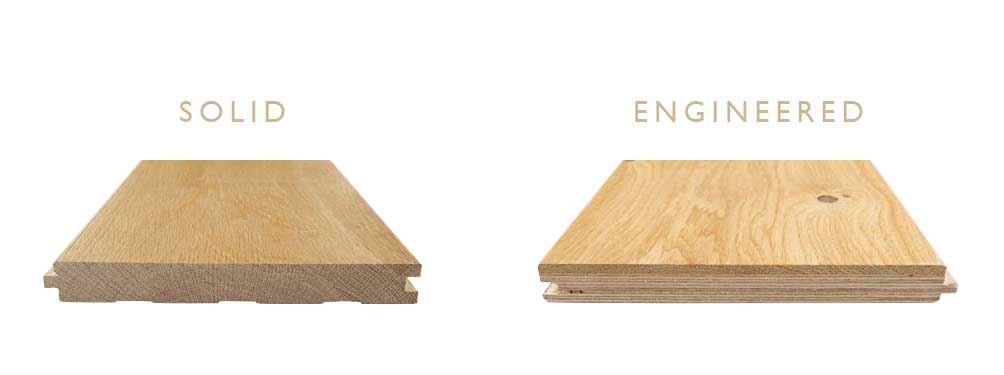 Solid wood planks can be sanded down repeatedly to restore their original luster, but they are susceptible to moisture-related expansion and contraction. Engineered boards, constructed with a hardwood veneer over layers of plywood or high-density fiberboard (HDF), provide greater resistance to humidity and are more cost-effective upfront. However, refinishing options depend on the thickness of the top veneer layer.
 Among hardwoods, oak remains the most popular choice for its balance of durability and pronounced grain, available in red, white, and European species. Maple and ash appeal for their smooth, uniform grain, while walnut adds warmth through its rich chocolate tones.
Design trends today favor wider planks—typically 5” to 9”, even up to 12”—which create a spacious, seamless aesthetic. Narrower boards, around 3” to 4”, still suit traditional interiors or smaller rooms. Keep in mind that wider boards usually require both glue and nails, increasing installation time and cost. Solid wood also needs to be laid, sanded, and finished on site, which means longer drying times between coats and up to a week before heavy furniture can be placed.
On the color front, the latest looks lean toward warm tones but softly weathered neutrals and subtle gray washes that pair well with minimalist decor are still in fashion. Greige finishes with matte or low-sheen coatings evoke a calm, Scandinavian aesthetic, while mid‑tone browns with warm undertones remain timeless for rustic and transitional styles.
Selecting the right combination of species, plank width, and finish ensures a flooring solution that balances performance, style, and lasting value.